













The city’s Cultural Heritage Commission unanimously opposed the fence plan, and the parks department’s own report lists the project’s fiscal impact as unknown.
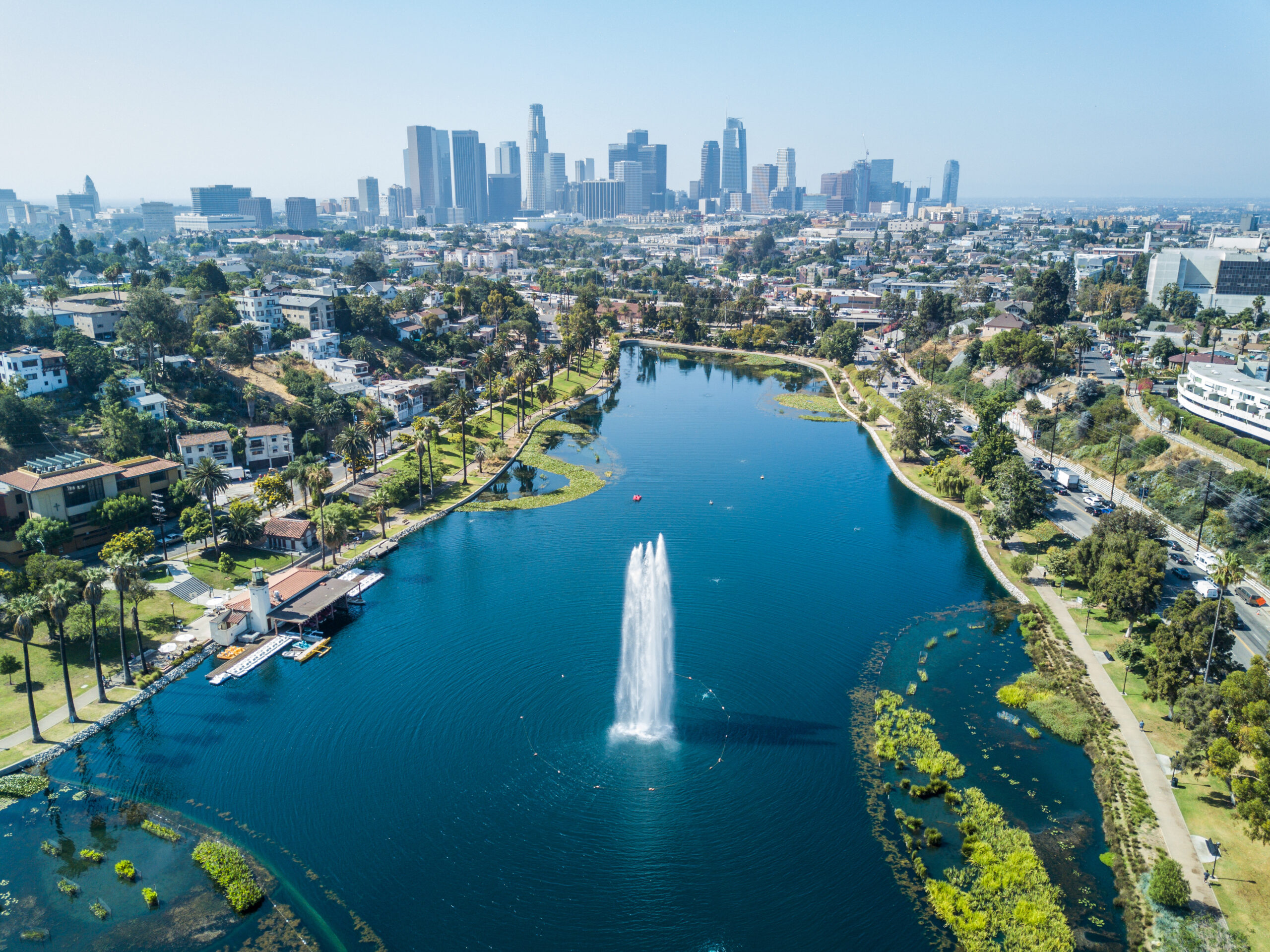
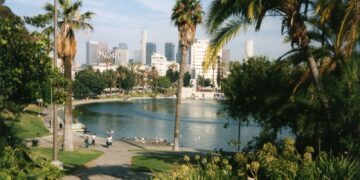
Construction of an 8-foot green metal fence around MacArthur Park is scheduled to start Monday, according to a city construction notice, as Los Angeles tries again to fix one of its most troubled public spaces. The city has set aside $2.3 million for the project, and its construction notice says work will run through fall 2027.
Once the fence is up, the park’s gates are expected to close every night from 10 p.m. to 6 a.m., The LA Local reported. The park will stay open during construction, which is planned for weekdays from 7 a.m. to 3:30 p.m.
“The new fencing is another part of our broader commitment to making MacArthur Park safer, cleaner, and more welcoming for families while improving safety throughout the surrounding corridor,” Mayor Karen Bass said in a statement.
THE HERITAGE COMMISSION SAID NO
MacArthur Park has been a city Historic-Cultural Monument since 1972. In an Aug. 17 letter to the Board of Recreation and Park Commissioners, Cultural Heritage Commission President Barry Milofsky wrote that the commission was unanimous in opposing the project as presented, citing its effect on the park’s historic character.
“While the Commission is sympathetic to the Department of Recreation and Parks’ operational challenges and safety concerns, the Commission is apprehensive about the concept of closing off a civic monument to the public,” the letter said. It questioned the fence’s permanence and a height proposed at 8 to 11 feet in places, and pointed to Echo Park, where a temporary chain-link fence went up in March 2021 and came down two years later.
The commission asked staff to explore other options and suggested that any barrier be more temporary and lower. Its letter noted that park operations fall outside its jurisdiction. In August, city officials said, according to MyNewsLA: “The project does not require approval from a City Council committee or the full City Council.”
The parks board approved the final plans on Oct. 1. Its staff report said a historic review found that while the fence affects some of the site’s characteristics, the project overall complies with the U.S. Interior secretary’s standards for historic properties.
COST AND RESULTS
When the board shifted $2.3 million into a General Capital account for the fence in October 2025, its report said it was “unknown at this time if sufficient funding has been identified for the Project.” The October 2026 report repeated that “The fiscal impact of the proposed Project is unknown at this time,” according to the document. The report’s timeline runs construction from November 2026 to November 2027, with post-construction work through June 2028.
Recreation and Parks says the fence will be reviewed after three years before any decision on making it permanent, KTLA reported. The department plans to measure the results against nearby Lafayette Park, which is already fenced and covers about 10 acres to MacArthur Park’s 35. The department’s report said MacArthur Park needed 230% more lighting, plumbing and graffiti repairs than Lafayette Park from January 2025 through June 2026, mostly from overnight damage.
Crime in and around the park dipped slightly but remains far above Lafayette Park’s level, according to the department’s Oct. 1 presentation. The park and the area within 350 feet logged 136 rapes, robberies and aggravated assaults from January through August 2026, down from 148 in the same months of 2025. Lafayette Park logged 20 over the same eight months, up from 17 a year earlier.
The fence follows years of other efforts. Bass has said work to restore the park began in 2023 with more policing, graffiti removal, lighting and cleaning, and federal agents and LAPD arrested 18 people in May in a drug trafficking case dubbed “Operation Free MacArthur Park,” NBC Los Angeles reported.
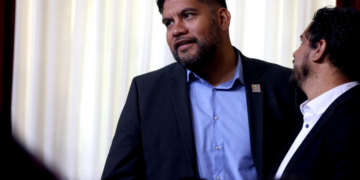
Councilmember Eunisses Hernandez, who represents the area, supports the fence, MyNewsLA reported. At the Oct. 1 meeting, critics raised concerns about the park’s trees and wildlife. “Don’t impose something so expensive, so permanent, so potentially destructive,” Kim Cooper, co-founder of the tour company Esotouric, told the board.